
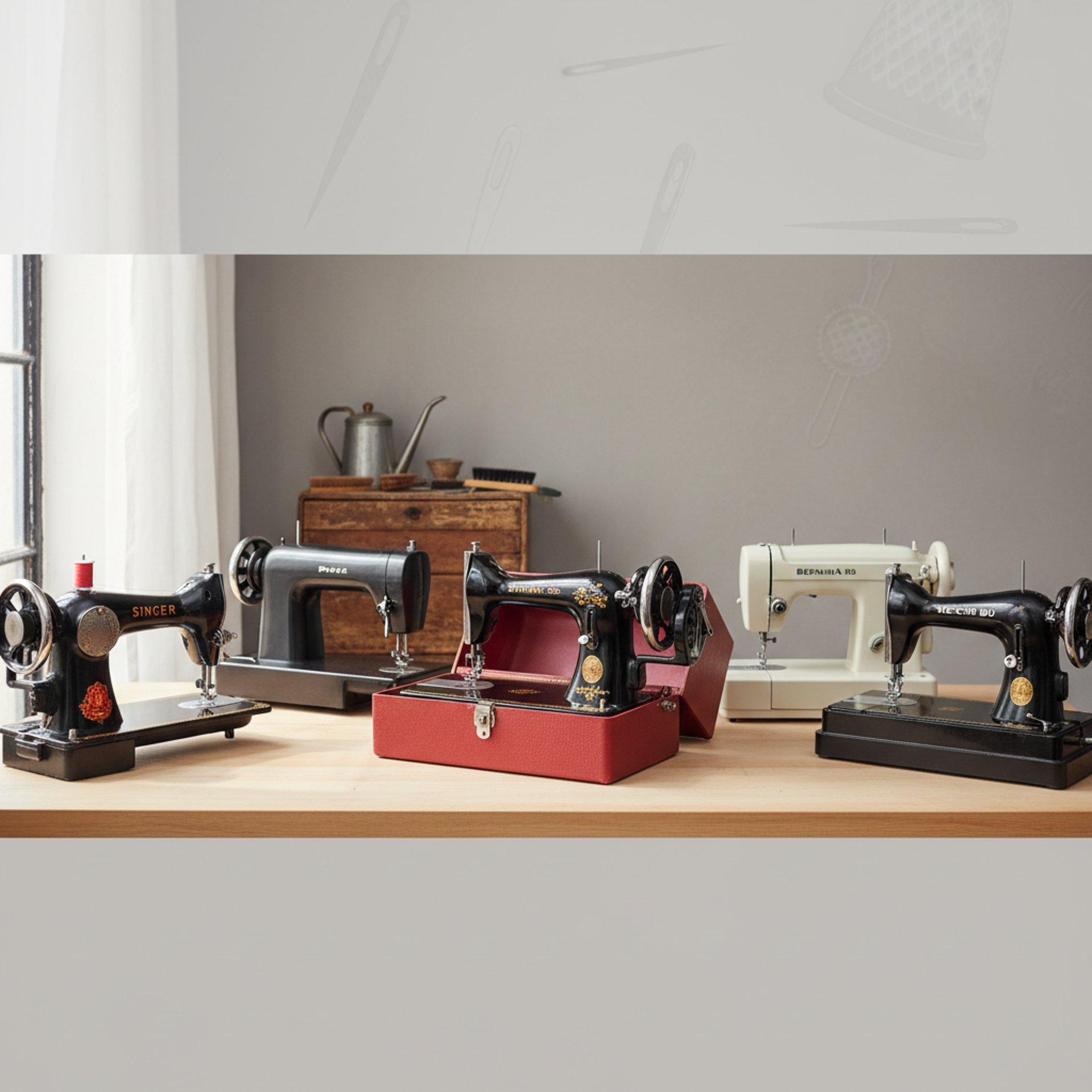
Top 10 Most Sought-After Vintage Sewing Machines in 2026
2/2/20265 min read
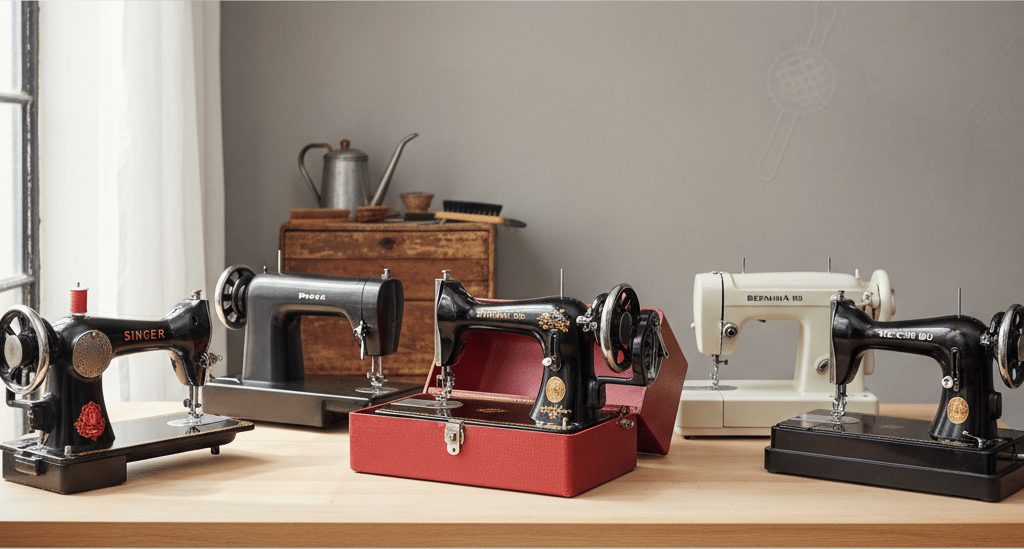
Top 10 Most Sought-After Vintage Sewing Machines in 2026
In the world of sewing, vintage machines hold a special, almost sacred place in the hearts of hobbyists, collectors, and professional garment makers alike. While modern computerized machines offer hundreds of built-in digital stitches and automated features, there is an enduring, palpable magic found in heavy cast-iron bodies, gear-driven mechanisms, and the steady, rhythmic hum of a vintage motor. As we examine the top 10 most sought-after vintage sewing machines, legendary models like the Singer Featherweight 221 and the Bernina 830 Record continue to dominate wish lists. They stand out due to their uncompromising all-metal durability, laser-precise stitching capabilities, and brilliant mechanical engineering that often outlasts modern plastic alternatives.
This comprehensive guide explores what makes these specific heirloom machines so intensely desirable, breaks down each standout model, and offers localized maintenance tips tailored for fellow sewists throughout the historic and growing communities of Richmond, Texas, as well as nearby Katy, Rosenberg, and Sugar Land.
The Renaissance of Mechanical Engineering: Why Vintage is Back
The surging popularity of vintage sewing machines is driven by more than just nostalgia. Modern sewists are increasingly recognizing the limitations of modern consumer appliances, which often utilize plastic internal gears and lightweight housing designed for planned obsolescence. In contrast, mid-20th-century machines were engineered to be lifetime investments.
Established legacy brands—such as Singer, Bernina, Pfaff, and Elna—crafted these tools using heavy-grade aluminum, steel, and brass. This substantial all-metal construction provides two massive benefits:
Structural Stability: Heavy frames absorb high-speed operational vibrations, preventing the machine from shaking and resulting in cleaner, straighter, and far more precise stitches.
Serviceability: Unlike sealed electronic boards that become useless when a single microchip fails, mechanical vintage machines can almost always be taken apart, cleaned, retimed, and repaired with hand tools.
Furthermore, many of these classic models introduced modular innovations—such as interchangeable cams or built-in walking feet—that revolutionized home sewing and continue to rival modern capabilities.
The 10 Most Sought-After Models
1. Singer Featherweight 221
First introduced in 1933 at the Chicago World's Fair, the Singer Featherweight 221 has achieved cult-classic status. Weighing in at a mere 11 pounds and constructed from lightweight aluminum, it was engineered for ultimate portability without sacrificing stitch quality. Quilters and hobbyists adore the Featherweight for its iconic design, side-loading bobbin system, and unmatched straight-stitch perfection. Today, clean units in original carrying cases command top dollar on the secondary market.
2. Singer 301 and 401
Often celebrated as the logical evolution of heavy-duty domestic sewing, the Singer 301 features a sloped bed design that enhanced fabric visibility, while the slant-needle Singer 401 introduced internal gears capable of complex zigzag and decorative patterns without external attachments. Known for exceptionally powerful gear-driven motors, these machines slice through multiple layers of heavy denim, canvas, and upholstery leather with ease.
3. Bernina 830 Record
Switzerland’s gift to the sewing world, the Bernina 830 Record is widely regarded by professional tailors and serious sewists as one of the finest mechanical sewing machines ever manufactured. Celebrated for its Swiss-engineered precision, quiet operation, and robust automatic buttonhole features, the 830 Record delivers flawless tension control and stitch consistency across delicate silks and heavy wools alike.
4. Bernina 1030
Following in the footsteps of the 800-series, the Bernina 1030 represents the pinnacle of late-era mechanical engineering before computerized options took over the market. Featuring a heavy-duty motor, intuitive controls, and a rugged frame, this model is prized for producing immaculate, uniform stitches over decades of continuous use without falling out of time.
5. Pfaff 230 and 130
German engineering shines brightly in the Pfaff 230 and 130 series, most notably recognized for their legendary, integrated dual-feed system (IDT) or built-in walking foot functionality. This mechanism feeds top and bottom layers of fabric simultaneously, making Pfaff vintage models absolute gold standards for garment makers matching plaid fabrics and quilters piecing complex, shifting blocks.
#1d1e20
6. Elna Supermatic
Introduced in the 1950s in a striking mint-green colorway, the Swiss-made Elna Supermatic was a marvel of mid-century modern design and technical capability. It introduced the concept of interchangeable metal pattern discs (cams), allowing creative sewists to execute dozens of complex decorative embroidery stitches mechanically. It remains a prized display and working piece for vintage collectors.
7. Necchi BU
Hailing from Pavia, Italy, the Necchi BU earned an elite reputation in the post-WWII era for challenging Swiss and German dominance in the sewing industry. Engineered by master craftsmen, the Necchi BU boasts robust internal gears, smooth hand-wheel rotation, and exceptional reliability. It is a prized addition to any serious collection because it merges fine Italian industrial design with unyielding utility.
8. Kenmore 158 Series (Manufactured by hesitate/Maruzen/Sears)
Produced primarily in Japan during the 1960s and 1970s for Sears under the Kenmore badge, the 158-series machines are the unsung workhorses of the vintage world. Built with heavy all-metal internal components, these machines are remarkably user-friendly, highly versatile, and exceptionally durable. They offer modern conveniences like stretch stitches and twin-needle capabilities wrapped in indestructible mechanical shells.
9. Brother 2600
Long before Brother became a household name for budget-friendly computerized embroidery units, they produced robust, reliable mechanical domestic machines like the 2600. Highly sought after by beginners and intermediate hobbyists who prefer tactile dials over digital screens, this model delivers reliable straight and zigzag stitching with minimal maintenance requirements.
10. Singer 66 "Red Eye"
Dating back to the early 20th century, the Singer Model 66 adorned with the ornate "Red Eye" decal variation is a true visual masterpiece. Featuring a drop-in bobbin system (unusual for its era) and a bulletproof cast-iron body driven by a smooth handcrank, treadle, or electric motor, it maintains a breathtaking vintage aesthetic while delivering surprisingly impressive performance on everyday weaves.
Preservation and Maintenance Tips for Long-Term Sewing Success
Owning a vintage sewing machine is a stewardship. Because these machines rely on complex metal interactions rather than computerized recalibration, they require periodic physical care to stay in top operating condition.
Regular Cleaning and Oiling
Lint, thread dust, and pet hair accumulate rapidly under the throat plate and inside the bobbin case area. Use a small lint brush or compressed air to clear out debris after every major project. Crucially, never use vegetable-based oils or general household WD-40 on a sewing machine, as these products gum up and solidify into a varnish-like glue. Always use high-grade, clear, non-detergent sewing machine oil on metal-on-metal friction points as specified in your user manual.
Taming Tension Troubles
If your vintage machine begins looping threads on the underside of the fabric or puckering the top layer, resist the urge to immediately turn the top tension dial. Most tension issues actually originate from lint trapped between the tension discs. Floss the tension discs cleanly with a folded piece of un waxed cotton thread or a strip of muslin, and ensure your bobbin case is clean and properly seated.
Environmental Protection
The climate across Fort Bend County—ranging from the humid summers of Richmond and Rosenberg to the suburban humidity of Sugar Land and Katy—can pose a silent threat to vintage cast-iron and steel components. High humidity encourages flash rust on unpainted metal parts and chrome handwheels. Keep your machines covered with a breathable canvas or vinyl cover when not in active use, and consider running a dehumidifier in your dedicated sewing room.
Local Expert Support in the Greater Fort Bend Area
While DIY cleaning is encouraged, vintage machines occasionally require professional timing adjustments, rewiring of aging electrical cords, or precision gear replacement. Local sewists looking for specialized care don't need to ship their precious heirlooms across the country. Specialized regional experts, such as Rin's Restorations based right here in Richmond, TX, offer dedicated mechanical servicing, deep cleaning, precise timing adjustments, and expert vintage restorations tailored to keeping classic machines running smoothly for generations to come. Whether you are unearthing a family heirloom from a Sugar Land attic or maintaining a recently acquired Featherweight in Katy, keeping up with routine professional tune-ups ensures your vintage machine will continue crafting stories in fabric for decades ahead.
Contact
Phone
© 2026. All rights reserved.